
Dry Mouth (Xerostomia): Causes and How Your Dentist Can Help
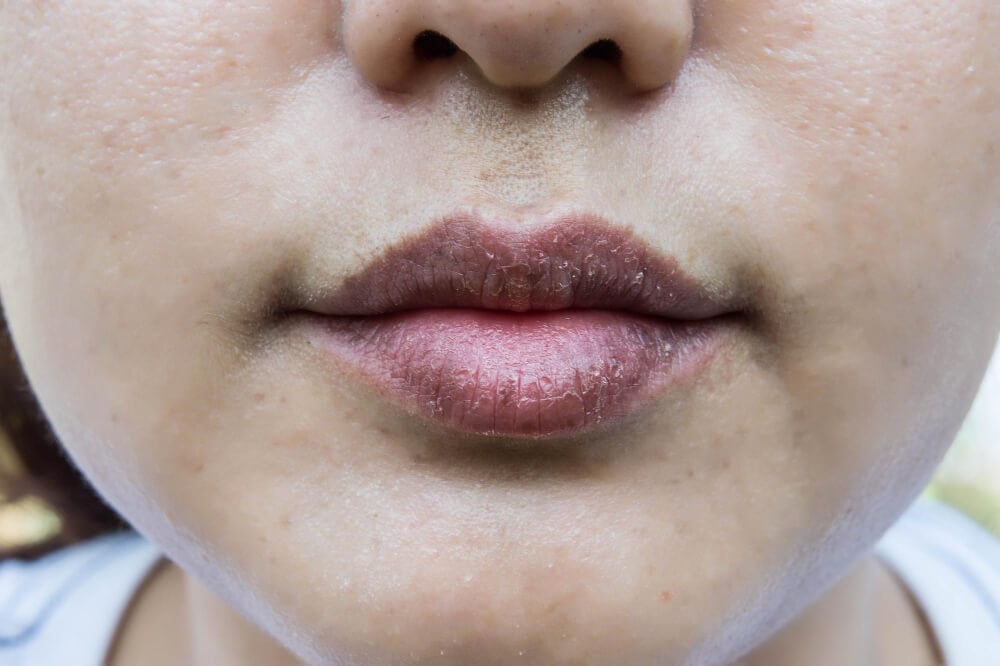
Dry mouth sounds minor until you’re living with it. Waking up with a parched throat, struggling to swallow food, or dealing with persistent bad breath — it affects far more than comfort.
Left unmanaged, it can quietly cause serious damage to your teeth and gums. If this sounds familiar, there are real solutions available.
What Is Dry Mouth?
Dry mouth, medically known as xerostomia, occurs when saliva production is reduced, leaving the mouth inadequately lubricated. It’s not simply feeling thirsty — it’s a persistent reduction in saliva flow that affects how you eat, speak, and protect your teeth.
Saliva neutralises acids produced by bacteria, washes away food debris, helps remineralise enamel, and keeps soft tissues healthy. When production drops, your mouth loses its first line of defence.
Dry mouth at night is particularly common. Saliva flow naturally decreases during sleep, but if you already have reduced production, the night hours can make symptoms significantly worse — causing frequent waking to drink water or a sticky, uncomfortable sensation that lingers into the morning.
Common Causes of Dry Mouth
Medicines
The most common cause of dry mouth is medicine. Hundreds of prescription and over-the-counter medicines list it as a side effect, including:
- Antihistamines (allergies and hay fever)
- Antidepressants and anti-anxiety medicines
- Blood pressure medicines, including diuretics and beta-blockers
- Bladder medicines
- Decongestants
- Some pain medicines
Ageing
Dry mouth becomes more prevalent with age, not because ageing directly damages salivary glands, but because older adults are more likely to be taking multiple medicines simultaneously, compounding the effect.
Medical Conditions
Several conditions affect salivary gland function or fluid balance:
- Sjögren’s syndrome — an autoimmune condition targeting moisture-producing glands
- Diabetes — through both uncontrolled blood sugar and related medicines
- HIV/AIDS, stroke, and Alzheimer’s disease
Radiation Therapy
Radiation to the head or neck can cause permanent salivary gland damage — one of the more severe forms of xerostomia, requiring long-term dental management.
Mouth Breathing
Chronic mouth breathing — from a blocked nose, sleep apnoea, or habit — dries oral tissues rapidly, with symptoms often worse at night.
Lifestyle Factors
Tobacco, alcohol, caffeine, and dehydration all reduce saliva flow or worsen existing dryness.
How Dry Mouth Affects Your Teeth
Increased Decay Risk
Without adequate saliva, acids linger on teeth longer. Enamel softens, decay progresses faster, and cavities can appear in unusual locations — along the gumline or on smooth tooth surfaces rather than just in grooves.
Gum Disease
Saliva has natural antibacterial properties. When saliva flow is reduced, the oral environment becomes more favourable for harmful bacteria, which can increase the risk of gingivitis and more advanced forms of gum disease.
Difficulty Wearing Dentures
Saliva acts as a natural cushion and adhesive for denture wearers. Without it, dentures become uncomfortable, unstable, and can cause gum sores.
Mouth Sores and Infections
Dry tissues are more vulnerable to irritation, ulcers, and fungal infections such as oral thrush.
Bad Breath
Reduced saliva means reduced clearance of bacteria and food debris. Persistent bad breath that doesn’t respond to brushing is a common complaint with xerostomia.
Difficulty Eating and Speaking
Saliva is essential for forming a food bolus to swallow. Without sufficient flow, eating dry or dense foods becomes difficult, and prolonged speaking can be affected.
Management and Relief
Stay Hydrated
Sipping water regularly throughout the day is the most accessible starting point. Small, frequent sips are more effective than large infrequent sips.
Sugar-Free Gum and Lozenges
Chewing stimulates saliva production mechanically. Products containing xylitol also help reduce cavity-causing bacteria.
Saliva Substitutes
Over-the-counter sprays, gels, and rinses temporarily coat and lubricate dry tissues. These are particularly useful overnight or when water isn’t accessible.
Humidifier at Night
Adding moisture to the bedroom air can noticeably ease nighttime symptoms.
Avoid Triggers
Caffeine, alcohol (including alcohol-based mouthwashes), and tobacco all worsen dryness. Switching to an alcohol-free mouthwash is a simple change worth making.
Dry Mouth-Specific Products
Several dental brands produce toothpastes, rinses, and gels formulated for xerostomia — typically containing moisture-retaining ingredients alongside fluoride to protect enamel.
How Your Dentist Can Help
Prescription Fluoride
Standard fluoride toothpaste is often insufficient for patients with dry mouth. A high-strength prescription fluoride gel or paste used daily provides stronger enamel protection where it’s needed most.
More Frequent Check-Ups
Patients with xerostomia typically benefit from dental check-ups every three to four months. The increased decay risk means more regular monitoring is necessary to catch problems before they require complex treatment.

Saliva-Stimulating Medicines
In more severe cases, your Gordon dentist may refer you to a general practitioner to explore medicines that can help stimulate saliva production.
Dietary and Preventive Guidance
Your dentist can advise on the timing of sugary or acidic foods, snacking habits, and preventive treatments — such as fluoride varnish applications at appointments — to keep at-risk surfaces protected.
At our Gordon dental practice, we assess what’s driving the problem and put a practical management plan in place that fits your situation.
Frequently Asked Questions
Can dry mouth be cured?
If medicine is the cause, adjusting or switching it (with your GP’s guidance) may resolve the issue. Dry mouth from Sjögren’s syndrome or radiation damage is generally managed long-term, with the focus on symptom relief and protecting your teeth.
Which medicines cause dry mouth?
The most common are antihistamines, antidepressants, blood pressure medicines, bladder medicines, and decongestants. If you’re taking any of these, raise it with your GP or pharmacist.
Is dry mouth serious?
Yes — particularly for your teeth. Rapidly progressing decay, gum disease, and oral infections are all genuine risks when saliva’s protective role is compromised.
Can I change my medicines to help?
Sometimes. Your GP may be able to adjust your dose, switch you to an alternative, or change the timing. It’s always worth asking, especially if dry mouth is affecting your oral health or daily comfort.
Does dry mouth get worse at night?
For most people, yes. A humidifier, saliva substitute gel before bed, and water on the bedside table are practical first steps.
Dry Mouth Treatment in Gordon
If your everyday life is being negatively impacted by dry mouth — or your dentist has flagged an increased risk of decay — it’s worth addressing sooner rather than later.
At Northern Dental Gordon, we see patients from Gordon, Pymble, Killara, Lindfield, and St Ives. Call us on (02) 9498 8290 or book online. Find us at Suite 3, 2 St Johns Ave, Gordon.