
Dead Tooth: Signs a Tooth Has Died and What Can Be Done
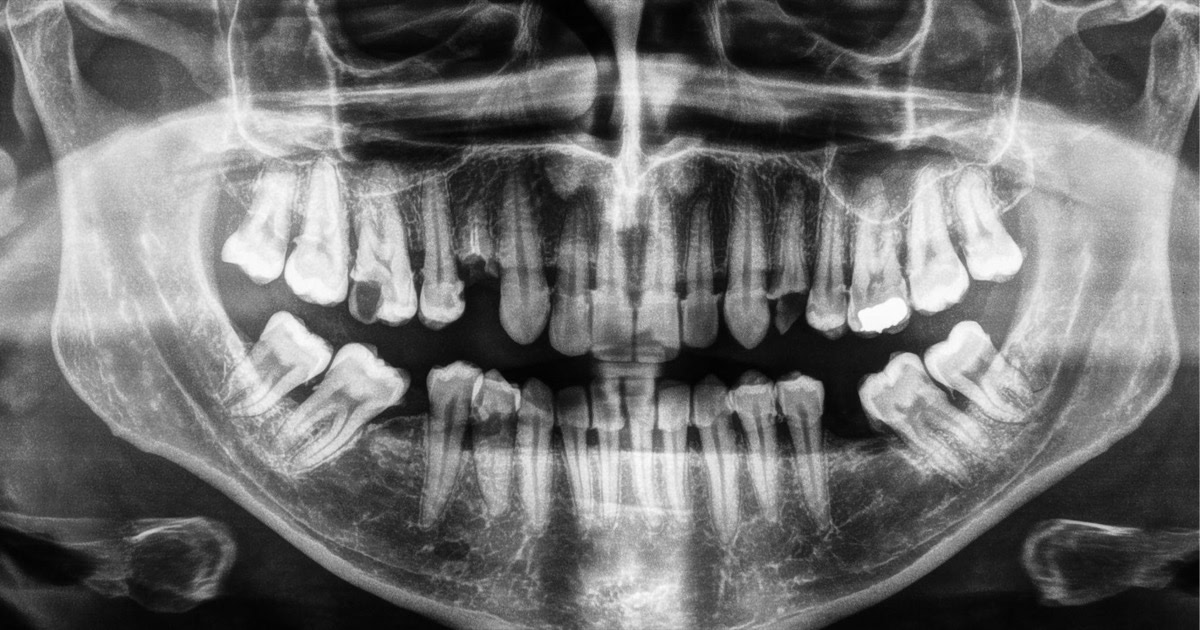
A tooth can die without much warning. It may turn grey, it may or may not hurt, and the infection behind it can spread. That’s why it’s worth knowing the signs and having any suspect tooth checked.
This guide explains what a dead tooth is, what it can look like, what causes it, and what can be done. It’s general information, not a diagnosis. Only an examination can show whether a tooth has died.
What Is a Dead Tooth?
Inside each tooth is soft tissue called the pulp, made up of blood vessels and nerves. When that tissue dies, the tooth is often called a dead tooth, and the dental term is pulp necrosis.
It’s usually caused by an infection that develops when bacteria enter the pulp through a cavity or a crack. It tends to happen in stages. First, the pulp becomes inflamed, and a dentist can often still repair and seal the tooth. If the inflammation continues, the tooth can’t heal on its own, and eventually the pulp can die.
What Causes a Tooth to Die?
Common causes include:
-
A cavity. This is the most common cause. Left unrepaired, it lets bacteria reach the pulp.
-
A cracked tooth, which can be a route for bacteria.
-
Repeated or unsuccessful dental procedures on the same tooth.
-
An injury, which can expose the pulp or affect its blood supply.
-
Worn enamel, from grinding your teeth or brushing too hard.
What Does a Dead Tooth Look Like?
If you’re wondering what a dead tooth looks like, the most common sign is a change in colour. Grey discolouration can mean the nerve inside the tooth has died, and an injury can cause it. When just one tooth changes colour, it’s often due to decay or an injury.
Colour alone can’t confirm a dead tooth. Some fillings can make a tooth look greyish, a root canal can sometimes change a tooth’s colour, and black spots usually point to severe decay. Please don’t assume a discoloured tooth will heal on its own. An examination is the only way to know.
Dead Nerve in a Tooth: Other Signs
A dead nerve in a tooth can show up in different ways:
-
A toothache or sensitivity, though the pattern can change as the tooth dies.
-
No reaction to heat, cold or sweet food. If the nerve dies, you may not feel the sensitivity you used to feel.
-
Pain when the tooth is tapped, which a dentist may notice.
Some patients have no symptoms at all, so a dead tooth can go unnoticed.
A dental abscess can develop when an infection near the root of a tooth causes pus to accumulate in the surrounding tissues. You can read more in our guide to tooth abscesses.
How Long Can a Dead Tooth Stay in Your Mouth?
There’s no reliable timeframe. A dead tooth can stay quiet for a while, but it isn’t something to wait out, because the infection can spread. It can move into the jaw, the neck and, in serious cases, the chest.
If you suspect a tooth has died, have it assessed promptly, even if it doesn’t hurt.
How a Dead Tooth Is Diagnosed
Your dentist may use:
-
A pulp test, where a small electrical pulse checks whether the nerve responds
-
A heat or cold test
-
Gentle tapping to see how the tooth responds
-
X-rays to look at the tooth and surrounding bone
In some cases, a dentist may suggest a referral.
What Can Be Done: Dead Tooth Treatment
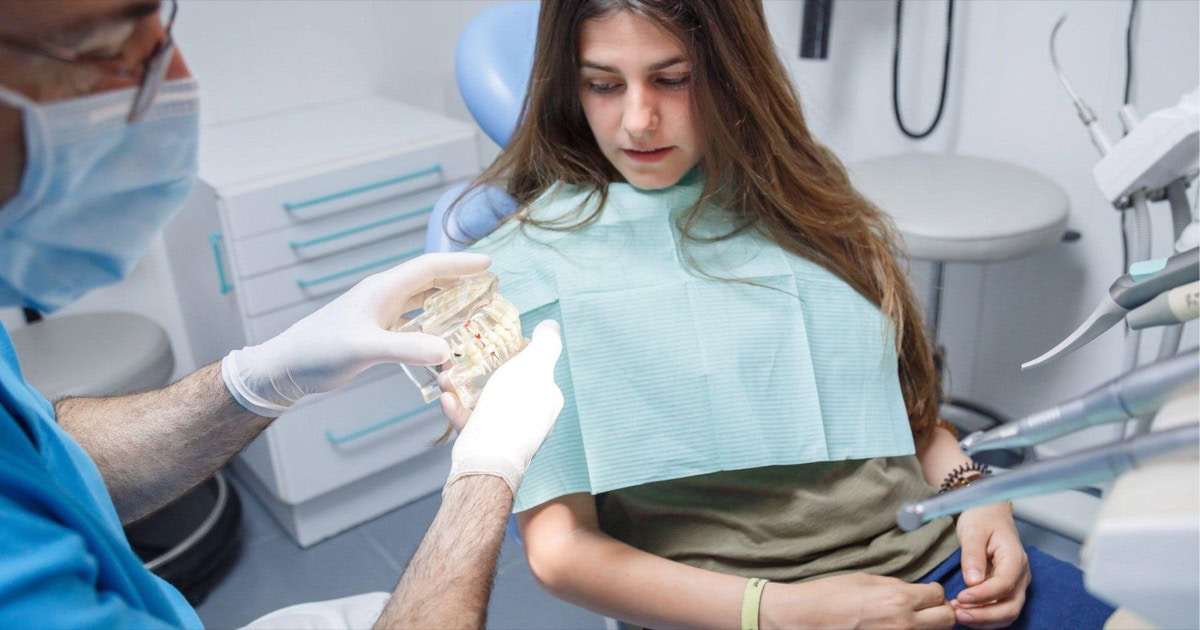
To prevent the infection from spreading, the pulp has to be removed once it has died. The options are:
Root canal treatment
The dentist removes the dead pulp, cleans out the root, then fills and seals the space. After a few weeks of healing, the tooth is usually capped with a crown. See our root canal treatment page and our guide on what to expect.
Root canal treatment can’t be guaranteed to work in every case, and not every tooth can be saved. The tooth can also become darker afterwards. Outcomes vary between patients, and your dentist will explain the benefits, risks and limitations before you decide.
Tooth removal
If a tooth can’t be saved, removal may be discussed. Replacement options such as a dental implant or a bridge are talked through with your dentist.
Reducing the Risk
Nothing prevents every case, but these help:
-
Brush twice a day and floss daily.
-
Keep up regular check-ups and cleans.
-
Report new pain or sensitivity promptly.
-
If you grind your teeth, ask about a night guard.
When to Seek Urgent Care
See a dentist promptly if you notice a discoloured tooth, a toothache, or sensitivity that’s new or changing. Seek urgent care if you have swelling in your face or jaw, a fever, or difficulty swallowing or breathing. Call 000 if swelling is spreading quickly or you can’t breathe properly. See our dental emergency page.
Frequently Asked Questions
Can a dead tooth be saved?
Sometimes. It depends on the tooth and how far the infection has spread. Your dentist can explain what’s possible, but no outcome can be guaranteed.
Does a dead tooth always hurt?
No. If the nerve has died, you may feel nothing, and some patients have no symptoms.
Can a dead tooth heal itself?
No. Once the pulp has died, it can’t recover, and it needs treatment to stop the infection from spreading.
Is a dead tooth an emergency?
Not always, but it should be assessed promptly. Swelling, fever or trouble swallowing or breathing needs urgent care.
Why is my tooth turning grey?
Grey discolouration can mean the nerve has died, often after an injury. It can also have other causes, so it needs to be checked.
Does root canal treatment always work?
No treatment is guaranteed. Outcomes vary between patients, and your dentist will explain the risks and limitations first.
Book an Assessment in Gordon
If you’ve noticed a darkened tooth, or a toothache or sensitivity that’s changed, an assessment is the next step. Your dentist can examine the tooth, explain what they find and talk through your options before you decide anything.
At Northern Dental Gordon, we see patients from Gordon, Chatswood, Roseville, Lindfield, Killara, Pymble, St Ives, Turramurra, Wahroonga and Berowra.
Call us on (02) 9498 8290 or book online. We are at Suite 3/2 St Johns Ave, Gordon NSW 2072.
Sources: Cleveland Clinic. “Pulp Necrosis.” my.clevelandclinic.org (medically reviewed, last updated 18 July 2022). Cleveland Clinic. “Tooth Discoloration.” my.clevelandclinic.org (medically reviewed, last updated 3 July 2025).
Any surgical or invasive procedure carries risks. Before proceeding, consider seeking a second opinion from an appropriately qualified health practitioner.