
Teeth Grinding (Bruxism): Signs, Damage and Night Guards
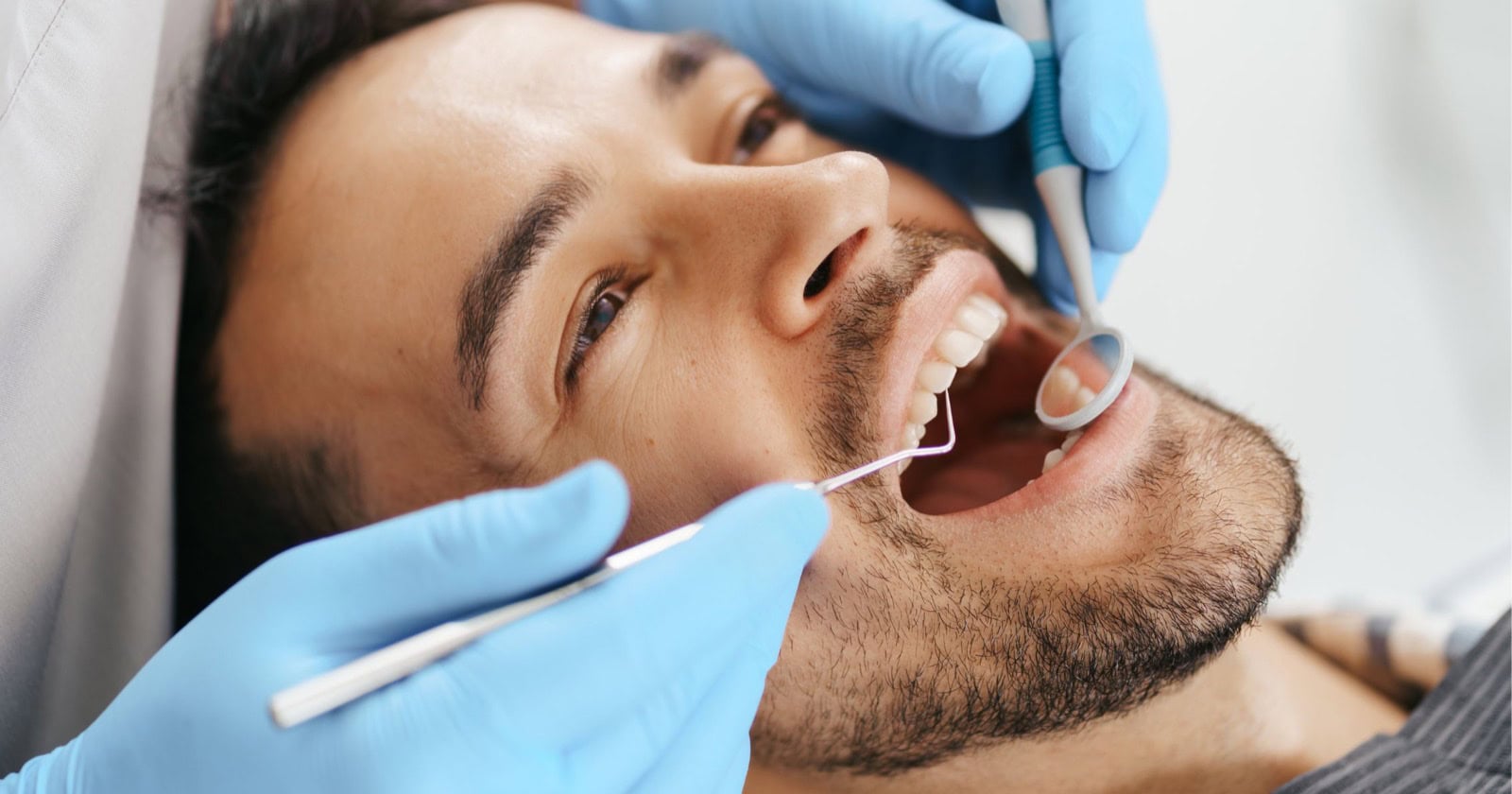
Teeth grinding often goes unnoticed until the damage shows. Many patients only find out when a dentist spots worn teeth, a partner hears grinding at night, or they start waking with a sore jaw.
This guide covers the signs of teeth grinding, the damage it can cause, why it happens, how your dentist checks for it, what may help you manage grinding in your sleep, and what night guards can and cannot do. It also explains when to see a dentist.
This article is general information only. It is not a diagnosis. Only an examination can show whether you grind your teeth and whether it is affecting them.
What is Teeth Grinding?
Teeth grinding, known as bruxism, means grinding or clenching your teeth together. Grinding is a side-to-side movement. Clenching is pressing hard without moving.
It can happen while you are awake, often during concentration or stress, or during sleep. Because grinding in sleep is involuntary, many patients are unaware of it.
Signs of Teeth Grinding
Signs can appear in your teeth, your jaw, your head and your sleep.
Signs in your teeth and mouth
- Teeth that look flat, short or worn at the edges.
- Chips or small cracks in teeth.
- Sensitivity to hot, cold or sweet foods.
- Indentations along the sides of your tongue or the inside of your cheeks.
- Fillings, crowns or veneers that chip or break.
- Teeth that feel loose.
Signs in your jaw and head
- Jaw tightness or soreness, especially when you wake up.
- A tired or aching jaw after eating.
- Headaches that start around the temples.
- Discomfort around the ears.
- Difficulty opening your mouth wide.
If you notice clicking, locking or persistent jaw pain, see your dentist.
Signs from sleep and other people
- A partner or family member hears grinding or clenching at night.
- You wake up tired, or your sleep seems disturbed.
These signs can have other causes, and you can grind your teeth without noticing any of them. An examination is the only reliable way to tell.
What Damage Can Teeth Grinding Cause?
Grinding puts far more force on teeth than normal chewing, and it can continue for hours at night. Over time, it can lead to:
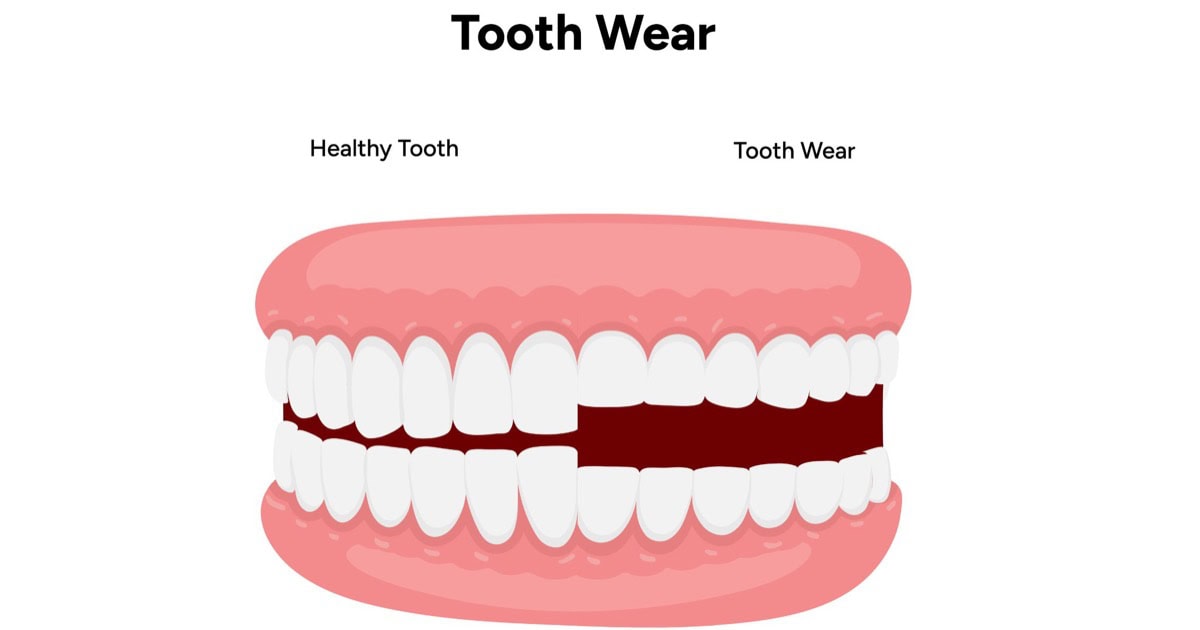
- Wear. The enamel wears away, leaving teeth shorter and flatter. Worn enamel does not grow back.
- Chips and cracks. Teeth can chip or crack under the repeated force.
- Sensitivity. As enamel thins, the layer beneath is closer to the surface.
- Damaged dental work. Fillings, crowns and veneers can chip, loosen or break.
- Gum and bone stress. Heavy forces may stress the tissues that support the teeth.
- Tired jaw muscles, which can feel sore or tight.
Severe wear can change the way your teeth look and fit together, and may need dental treatment to repair. The earlier grinding is picked up, the more teeth there are to protect.
What Causes Teeth Grinding?
The causes are not fully understood. Several things may play a part:
- Stress and anxiety.
- Sleep disturbances.
- Caffeine, alcohol and smoking.
- How the upper and lower teeth fit together.
- Some health conditions and some products people take.
Not everyone with these factors grinds, and some patients grind without any obvious trigger. Your dentist can talk through what might be relevant to you.
How Your Dentist Checks For Grinding
There is no single test, so your dentist looks at the whole picture. This usually includes:
- Asking about your symptoms, sleep, stress and habits.
- Checking your teeth for the kind of wear grinding tends to cause.
- Examining the jaw muscles and how your jaw moves.
- Looking at your dental work for damage.
- Taking X-rays, where appropriate.
Wear can also come from acid, brushing too hard or ageing, so your dentist works out which is likely. If you also snore heavily or have disrupted sleep, your dentist may suggest seeing your doctor.
How to Stop Grinding Teeth in Sleep: What Can Help
There is no guaranteed way to stop grinding in your sleep, because the causes are not fully understood. Some habits may help reduce it for some patients:
- Winding down before bed and finding ways to manage stress that suit you.
- Keeping a regular sleep routine.
- Cutting back on caffeine and alcohol, especially in the evening.
- Avoiding chewing pens, ice or gum, which keeps the jaw muscles working.
- Noticing daytime clenching and relaxing your jaw, with your teeth slightly apart.
- Talking to your doctor if stress, anxiety or sleep problems are affecting you.
Your dentist can also discuss protecting your teeth while you work on these.
Night Guards and Teeth Grinding Splints: What They Do and Don’t Do
For patients who grind or clench their teeth during sleep, a dentist may recommend a removable appliance worn over the teeth. This is also known as a night guard or occlusal splint. A mouth guard for teeth grinding creates a barrier so your teeth don’t wear directly against each other.
What a night guard does is help protect your teeth from wear and damage. What it doesn’t do:
- Stop you grinding. You may still grind or clench while wearing it.
- Deal with the cause. Stress, sleep or other factors remain.
- Guarantee relief. Whether it eases jaw soreness or headaches varies between patients.
A custom teeth grinding mouth guard is made to order from an impression or scan of your teeth, so it fits your mouth and bite. Your dentist can check the fit and adjust it. Our mouthguards and splints page explains what we make at Northern Dental Gordon.
Things to be aware of:
- It can feel strange for a while, and you may notice more saliva.
- Your teeth or jaw may feel sore at first.
- Guards can wear through, crack or become loose, and need checking at your visits.
- It needs cleaning daily to keep it hygienic.
- A guard that fits poorly can affect how your teeth meet.
Results vary between patients. A night guard protects teeth. It is not a cure for grinding.
Repairing Damage From Grinding
If grinding has already worn or cracked your teeth, a night guard will not repair them. Depending on the damage, your dentist may discuss options such as fillings or bonding to rebuild worn edges, or crowns for teeth that are badly worn or cracked. Treatment depends on the extent of the damage, and your dentist will explain the benefits and limitations of each option. A night guard may also be suggested afterwards to help protect the repairs.
When to See a Dentist
Book an assessment if you notice:
- Teeth that look worn, chipped or shorter than before.
- Jaw soreness or headaches, particularly on waking.
- A partner who hears grinding.
- Sensitivity that is new or getting worse.
- Dental work that keeps chipping or breaking.
If a tooth cracks and you have severe pain or swelling, see our guidance on dental emergencies. If your jaw locks or you cannot open or close your mouth, see your dentist or doctor promptly.
Teeth Grinding FAQs
Can I grind my teeth without any symptoms?
Yes. Many patients have no pain or obvious signs, and the first clue is wear that a dentist spots at a check-up. That is one reason regular check-ups matter.
Does teeth grinding go away on its own?
It can come and go, and it may ease when stress or sleep improves. For some patients it continues for years. If you have signs of wear, have it checked rather than waiting.
Do children grind their teeth?
Some do, and it is often noticed by parents at night. If you are concerned, mention it at your child’s next check-up so the dentist can look at their teeth.
Can I use my sports mouthguard for grinding?
Sports mouthguards and night guards are made for different jobs, so it is generally better to have separate devices, and your dentist can advise on this. Our article on custom mouthguards for sport explains more about sports mouthguards.
Book a Bruxism Assessment in Gordon
Waking with a sore jaw, or noticing worn or chipped teeth? The next step is an examination.
At Northern Dental Gordon, your dentist can check your teeth and jaw for signs of grinding, explain what they find and talk through ways to protect your teeth before you decide on anything.
Call us on (02) 9498 8290 or book online to arrange a bruxism assessment.
We are at Suite 3/2 St Johns Ave, Gordon NSW 2072, opposite Gordon Railway Station, and we welcome patients from Gordon, Chatswood, Roseville, Lindfield, Killara, Pymble, St Ives, Turramurra, Wahroonga and Berowra.
This article is general information and does not replace advice from a registered dental practitioner. All dental procedures carry risks. Results vary between patients. Ask your dentist whether treatment is appropriate for you.