
TMJ Disorder: Causes, Symptoms and How Your Dentist Can Help
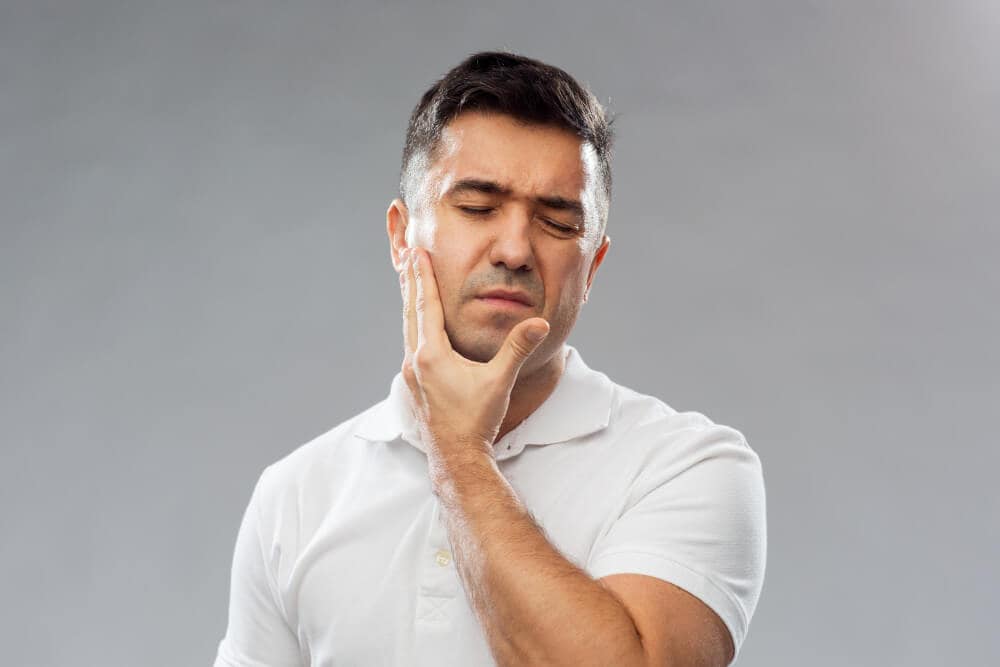
If you’ve been waking up with a sore jaw, hearing clicking sounds when you eat, or dealing with persistent headaches that seem to have no obvious cause, TMJ disorder might be worth looking into. It’s more common than most people realise — and the good news is that a dentist is often the right first call.
What Is TMJ Disorder?
The temporomandibular joint (TMJ) is the hinge-like joint on each side of your face that connects your lower jaw to your skull. It’s responsible for every movement your jaw makes — chewing, speaking, yawning. When something disrupts how this joint functions, the result is temporomandibular disorder, or TMD.
TMD is the umbrella term for pain and dysfunction affecting the TMJ itself, the surrounding muscles, or both. It affects an estimated 10% of adults at some point in their lives, yet it often goes undiagnosed for months because the symptoms don’t always point directly to the jaw.
Common Symptoms of TMJ Disorder
TMJ disorder doesn’t always announce itself with obvious jaw pain. The symptoms can be surprisingly varied, which is part of why it’s frequently missed.
The most commonly reported symptoms include:
- Jaw pain or tenderness, especially after eating or first thing in the morning
- Audible sounds from the jaw joint — such as clicking, popping, or grinding — during movement
- Difficulty opening the mouth wide
- A jaw that locks open or closed
- Discomfort around the ears, including aching or a blocked sensation, with no sign of infection
- Frequent headaches, particularly around the temples
- Facial pain or aching around the cheeks and jaw
- Neck and shoulder tension
Not everyone experiences all of these. Some people click with no pain; others experience significant discomfort with no audible sounds. If several of these symptoms are familiar, it’s worth getting a proper assessment rather than waiting it out.
What Causes TMJ Problems?
TMJ disorder rarely has a single cause. In most cases, it develops from a combination of factors that put strain on the joint and surrounding muscles over time.
- Teeth grinding and clenching (bruxism) is one of the most common contributors. Many people grind their teeth during sleep without realising it, placing significant and repeated pressure on the TMJ.
- Jaw injury or trauma — including impacts to the face or jaw — can damage the joint directly or shift how the jaw sits and moves.
- Degenerative joint conditions, including osteoarthritis and rheumatoid arthritis, can break down the tissues within the TMJ over time.
- Stress plays a larger role than most people expect. When we’re stressed, we tend to clench the jaw and tighten the muscles around it — often unconsciously, including during the day.
- An uneven bite places irregular stress on the jaw joint during everyday tasks like eating and speaking.
- Poor posture, especially forward head posture from desk work or screen use, alters the mechanics of the neck and jaw, which can aggravate TMJ symptoms.
- Excessive gum chewing is a smaller but real factor — it keeps the jaw muscles in a state of repeated, prolonged contraction.
How Your Dentist Diagnoses TMJ Disorder
Diagnosing TMD starts with a thorough clinical assessment. At Northern Dental Gordon, this means more than just looking at your teeth — we look at how your whole jaw system is functioning.
A TMJ assessment typically includes:
- Clinical examination — reviewing your symptoms, history, and how the jaw moves overall.
- Range of motion assessment — checking how far you can open, close, and move your jaw side to side, and whether any movements are restricted or painful.
- Muscle and joint palpation — gently pressing on the jaw joint and surrounding muscles to identify tenderness, tightness, or irregularities.
- Bite analysis — examining how your upper and lower teeth meet and whether there’s uneven contact affecting joint loading.
- Imaging, if needed — in some cases, dental X-rays or a CT scan may be recommended to get a clearer picture of the joint structure.
A careful assessment is essential because the symptoms of TMD often overlap with those of unrelated conditions, making an accurate diagnosis before any treatment begins difficult. Getting an accurate diagnosis means treatment is actually targeted at the right cause.

Treatment Options for TMJ Disorder
Treatment is typically staged, starting with the most conservative approaches and progressing only if needed. Most people respond well to non-invasive options.
Occlusal splint or night guard — a device made to fit your teeth that cushions the joint against the pressure caused by nighttime grinding or clenching. This is one of the most commonly used and effective first-line treatments for bruxism-related TMD.
Jaw exercises — specific stretching and strengthening exercises can help restore normal movement and reduce muscle tension.
Heat and cold therapy — applying warmth to relax tight muscles or cold to reduce acute inflammation can provide meaningful symptom relief.
Anti-inflammatory medicine — over-the-counter options like ibuprofen can help manage pain and swelling, particularly during flare-ups. Always follow appropriate dosage guidance.
Stress management — since stress is such a direct driver of jaw clenching, addressing it through relaxation techniques, sleep hygiene, or professional support can make a real difference to TMJ symptoms.
Bite adjustment — in cases where an uneven bite is a significant contributor, selective reshaping of the biting surfaces may be considered.
Physiotherapy referral — for cases involving significant muscle involvement or postural factors, we may refer you to a physiotherapist who works with jaw and neck conditions.
Surgery is rarely needed and is only considered after all conservative options have been exhausted. Most people with TMD manage their symptoms effectively without it.
Frequently Asked Questions
Is it possible for TMJ disorder to resolve without treatment?
Mild TMD symptoms sometimes resolve with rest and reduced jaw loading — particularly if they’re triggered by a temporary stressor or short-term teeth clenching. However, if symptoms persist for more than a few weeks or affect your sleep, eating, or daily comfort, it’s worth seeing a dentist. Left unmanaged, TMD can become chronic and more complex to treat.
Is jaw clicking serious?
Jaw clicking alone — without pain or restricted movement — is common and often doesn’t require treatment. If the clicking is accompanied by discomfort, locking, or significant changes in how your jaw opens and closes, that’s when it warrants a proper assessment.
Should I see a dentist or a doctor for TMJ?
A dentist is usually the right place to start. Dentists are trained in jaw function, bite analysis, and occlusal splints — the core of most TMD management. Your GP may be involved in managing associated symptoms, such as pain or stress, but the primary assessment typically falls to a dentist.
Can stress cause TMJ disorder?
Yes, directly. Stress increases the likelihood of jaw clenching and teeth grinding — both during the day and at night. Over time, this repetitive strain can put excessive pressure on the TMJ and surrounding muscles. Managing stress is often a meaningful part of managing TMD.
What about surgery for TMJ?
Surgery is considered a last resort and is appropriate only for a very small percentage of TMD cases — typically where there’s significant structural damage to the joint that hasn’t responded to any conservative treatment. For the vast majority of people, non-surgical options are effective.
TMD Treatment in Gordon
If you’re experiencing jaw pain, persistent headaches, or any of the symptoms described above, our team at Northern Dental Gordon is here to help. We take a thorough, measured approach to TMJ assessment — understanding what’s driving your symptoms before recommending any treatment.
We see patients from Gordon and the surrounding areas of Pymble, Killara, Lindfield, and St Ives who are looking for attentive, unhurried dental care in a comfortable environment.
To book an assessment, call us on (02) 9498 8290 or book online. You’ll find us at Suite 3, 2 St Johns Ave, Gordon.