
Tooth Decay: How It Is Treated at Each Stage
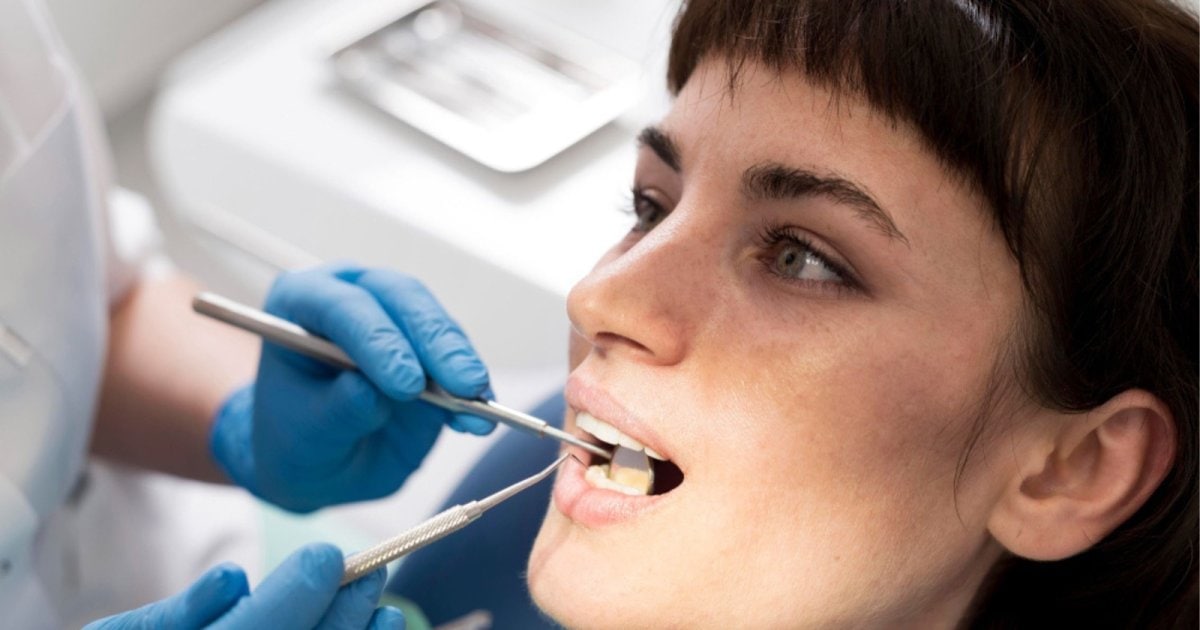
Tooth decay develops gradually, and the right tooth decay treatment depends on how far it has progressed. What works well for early decay isn’t the same as what’s needed once decay has reached the inner part of a tooth. This guide walks through the stages of tooth decay, what treatment typically looks like at each one, and when it’s worth getting a check-up.
What Is Tooth Decay?
Tooth decay happens when acid produced by plaque wears away at the tooth’s structure. It usually starts on the outer enamel and, if left unaddressed, can move deeper into the tooth over time. Because it progresses in stages, catching it earlier generally means simpler treatment, while decay left untreated can eventually affect the nerve inside the tooth.
What Causes Tooth Decay?
Tooth decay is driven by plaque, a sticky layer of bacteria that accumulates on teeth. Bacteria in plaque use sugars from food and drinks to produce acids, which can gradually remove minerals from the tooth and weaken its enamel when exposure is repeated.
A few everyday factors influence how quickly this happens.
Diet
Frequent sugary or acidic food and drink give plaque bacteria more opportunities to produce acid throughout the day, which can speed up the process.
Oral hygiene
Brushing and flossing help remove plaque before it has a chance to cause ongoing damage. Areas that are harder to clean, such as between teeth or along the gumline, are often where decay starts.
Saliva and other individual factors
Saliva plays a role in naturally neutralising acid and helping the enamel remineralise. Individual factors, including how much saliva someone produces, can affect how susceptible their teeth are to decay, which is part of why some people are more prone to it than others.
Tooth Decay Stages and How Each Is Treated
Tooth decay treatment isn’t one-size-fits-all — the right approach depends entirely on which stage the decay has reached.
Early tooth decay (demineralisation)
This is the earliest stage, sometimes visible as a chalky white patch on the enamel. At this point, the tooth’s structure hasn’t broken down into a cavity yet.
Treatment usually focuses on stopping the process from progressing further through improved oral hygiene, dietary changes, and fluoride to help the enamel remineralise. Results vary between patients, and how well this works depends on how consistently these changes are maintained.
Enamel decay (small cavity)
Once decay has broken through the enamel and formed a small cavity, a filling is generally the standard treatment. A tooth-coloured filling material is used to restore the shape of the tooth and seal off the area from further decay. As with any dental treatment, the material may need maintenance or replacement over time.
Dentine decay
If decay reaches the dentine, the layer beneath the enamel, it tends to spread more quickly, since dentine is softer. This stage is often when sensitivity to hot, cold or sweet food and drink becomes more noticeable. Treatment is usually still a filling, though a larger one may be needed depending on how much of the tooth is affected.
Decay reaching the pulp
Once decay reaches the pulp, the innermost part of the tooth containing nerves and blood vessels, a filling alone is generally no longer enough. Root canal treatment is the standard approach at this stage. It involves removing the affected tissue from inside the tooth, cleaning the space, and sealing it.
A crown is often recommended afterwards to protect and restore the tooth, since it can be more fragile once the procedure is complete.
Advanced decay and infection
If decay is left untreated for a long period, it can lead to infection around the root of the tooth. Treatment at this stage becomes more involved, and in cases where too much of the tooth’s structure has been lost, it may not be possible to save it.
Extraction may be necessary in these situations, but it depends entirely on the individual tooth and is something a dentist would assess and discuss directly rather than something that applies to every case.
Can Decay Be Stopped?
Decay can often be stopped, and sometimes reversed, at the earliest stage, before a cavity has formed. Once a cavity develops, the damaged part of the tooth doesn’t repair itself, though treatment can prevent it from progressing further. This is one of the main reasons dentists recommend addressing changes in the enamel as soon as they’re noticed, rather than waiting to see if they get worse.
Why Early Tooth Decay Treatment Matters
Tooth decay tends to move faster once it passes the enamel, since the dentine underneath is softer and less resistant. A cavity that could have been managed with a small filling early on may need a larger filling, or eventually root canal treatment, if it’s left untreated.
Regular dental check-ups give your dentist the chance to catch decay while it’s still at an earlier, more manageable stage. This is also generally true for treatment: addressing a small cavity is usually more contained than treating decay that has reached the pulp, which is why dentists encourage prompt attention once decay is identified, rather than waiting for it to become noticeable on its own.
What to Expect at a Check-Up
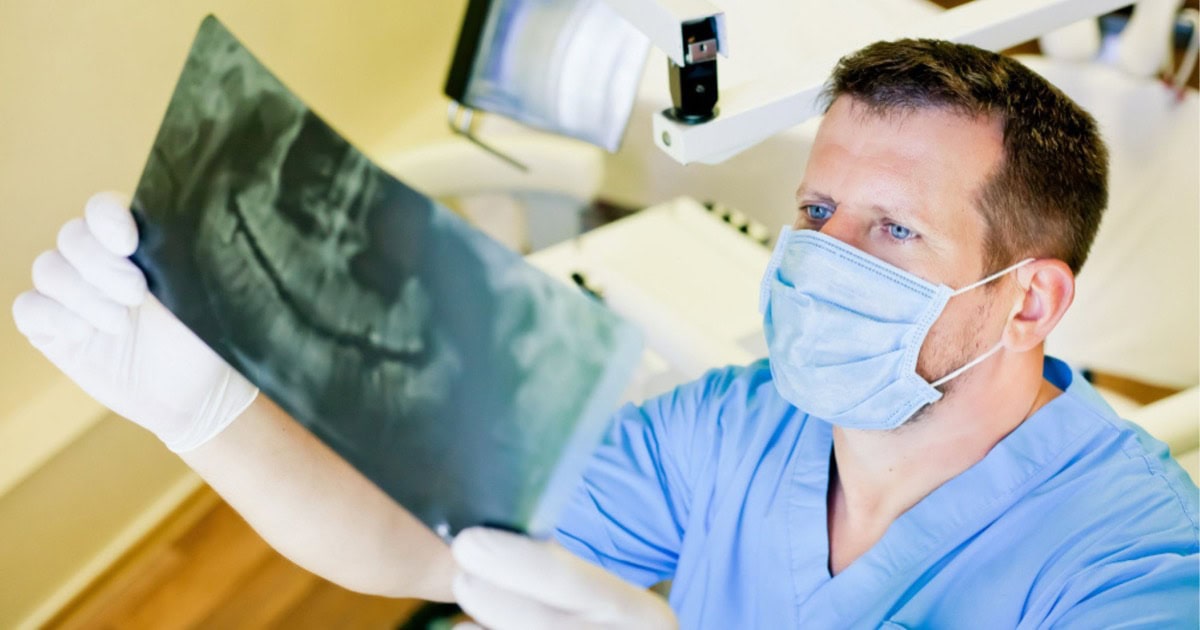
A dental check-up usually involves a visual examination and, where needed, an X-ray to look for decay that isn’t visible on the surface. Your dentist will talk you through what stage any decay is at and what tooth decay treatment options apply, including the risks, limitations and recovery involved.
If nothing is found, a check-up is still a useful baseline for comparing against future visits, since small changes in the enamel can be easier to spot when your dentist has something to compare them to.
Preventing Tooth Decay Between Check-Ups
Alongside professional care, day-to-day habits make a meaningful difference in how likely decay is to develop. Brushing twice a day, cleaning between teeth, and limiting how often you consume sugary or acidic foods and drinks all help reduce the acid exposure that drives decay. Fluoride toothpaste supports the enamel’s ability to remineralise after everyday acid exposure.
None of these habits guarantees that decay won’t develop, but they lower the overall risk and work alongside regular check-ups rather than replacing them.
Frequently Asked Questions
What is the first sign of tooth decay?
Early tooth decay can appear as a white or chalky patch on the enamel, which may not be easy to spot without a dental check-up. Sensitivity to sweet, hot or cold food and drink can also be an early sign, though this varies between patients.
Can early tooth decay be reversed without a filling?
At the earliest stage, before a cavity forms, you can sometimes manage decay with fluoride, improved oral hygiene, and dietary changes rather than a filling. Once a cavity has formed, you generally need a filling.
Do all cavities need a filling?
Most cavities need some form of restorative treatment once the enamel has broken down, since the damaged structure doesn’t repair itself. The size of the filling depends on how much of the tooth is affected.
How do I know if I need a root canal?
Root canal treatment is generally needed once decay reaches the tooth’s pulp, which can cause noticeable sensitivity or discomfort. Only a dental examination, often alongside an X-ray, can confirm whether this is the case.
Can tooth decay come back after treatment?
Yes, new decay can develop on a treated tooth, or elsewhere in the mouth, if oral hygiene and diet aren’t managed afterwards. Regular check-ups help catch any new decay early.
How often should I have a check-up to catch decay early?
This depends on individual risk factors, and your dentist can recommend a suitable interval based on your oral health. Regular check-ups are the most reliable way to catch decay before it progresses to a stage that needs more involved treatment.
Does tooth decay always cause noticeable symptoms?
Not always, particularly in the earlier stages. Decay can develop without any obvious sensitivity or discomfort, which is one of the main reasons it’s often picked up during a routine check-up rather than because of symptoms.
Is a filling a permanent fix?
Fillings restore the tooth and stop decay from progressing at that site, but the material can wear or need replacement over time, and decay can still develop elsewhere on the same tooth if it isn’t cared for afterwards.
Book a Dental Check-Up in Gordon
If you’re noticing sensitivity or think a tooth might need attention, an examination is the most reliable way to find out what stage it’s at and what tooth decay treatment is right for you.
At Northern Dental Gordon, we see patients from Gordon, Chatswood, Roseville, Lindfield, Killara, Pymble, St Ives, Turramurra, Wahroonga, and Berowra.
Call us on (02) 9498 8290 or book online. You’ll find us at Suite 3, 2 St Johns Ave, Gordon NSW 2072, directly opposite Gordon Railway Station.
Any surgical or invasive procedure carries risks. Before proceeding, consider seeking a second opinion from an appropriately qualified health practitioner.