
Toothache: What the Type of Pain Is Telling You

A toothache can feel different depending on what’s causing it, and the way it feels can be a useful clue while you wait to be seen. A sharp pain when biting is a different problem from a dull ache that wakes you at night, and a dentist reading these signs together with an exam and, where needed, an X-ray, is what actually leads to a diagnosis.
This guide walks through common types of toothache, what they can suggest, and when tooth pain needs prompt attention rather than a wait-and-see approach. It doesn’t replace an assessment, but it can help you describe what you’re feeling more precisely when you call.
Sharp Pain When Biting or Chewing
A sudden, sharp pain that occurs specifically when you bite down, then eases once you stop, often points towards a crack in the tooth, a loose or failing filling, or decay that has reached a point where pressure on the tooth triggers a nerve response.
This kind of pain can be inconsistent, showing up on some bites and not others depending on the angle of pressure, which sometimes leads people to put off getting it checked. Left alone, a crack can extend further into the tooth over time, so this is worth having examined rather than monitored.
Throbbing Toothache That Comes in Waves
A throbbing sensation, often described as a heartbeat in the tooth, usually indicates inflammation or infection of the pulp, the nerve and blood vessel tissue inside the tooth.
This type of pain tends to build gradually rather than appearing instantly, and it’s commonly what brings people in asking about tooth nerve pain specifically. It can be triggered or worsened by heat, though it may also occur with no obvious trigger at all once the pulp is significantly inflamed.
Tooth Pain at Night or When Lying Down
A toothache that’s worse at night or when lying flat is a pattern many patients notice before anything else. Lying down may make tooth discomfort feel more noticeable, possibly due to changes in blood flow and pressure around an already inflamed tooth, though this isn’t the same for everyone.
This doesn’t mean the problem is different to a throbbing daytime toothache, but night-time pain is often what pushes someone from “I’ll deal with it later” to booking an appointment, since it disrupts sleep and is harder to distract from.
Sensitivity to Hot, Cold, or Sweet
A sharp, short-lived pain triggered by hot drinks, cold food, or sugar that fades once the trigger is removed is a different pattern to a lingering ache. This kind of sensitivity often relates to worn enamel, a small area of decay, a receding gumline exposing the softer dentine layer beneath the enamel, or a recently placed filling settling in.
If the pain lingers well after the trigger has gone, that’s a signal the nerve may be more significantly involved, which points towards a different level of concern than fleeting sensitivity.
Dull, Constant Ache
A low-level ache that doesn’t clearly relate to biting, temperature, or time of day can be harder to place. It might originate from the tooth itself, from a nearby tooth, from the jaw joint, or in some cases from sinus congestion, since upper back teeth are close to the maxillary sinuses and sinus pressure can be mistaken for tooth pain.
This is one of the patterns where an exam adds the most value, because the source isn’t obvious from the sensation alone.
Pain With Swelling, or Pain When the Tooth Is Touched
Tooth pain accompanied by swelling in the gum or face, a bad taste, or pain when the tooth is pressed or tapped can indicate an abscess, a pocket of infection at the root of the tooth. This combination is one of the clearer signs that prompt attention is needed rather than home care, since an untreated dental infection can spread beyond the tooth.
If swelling is accompanied by fever, difficulty swallowing, or difficulty breathing, this needs urgent medical attention, not just a dental appointment.
What “Tooth Nerve Pain” Usually Means
People often use “nerve pain” to describe several different sensations, but it generally refers to pain originating from the pulp tissue inside the tooth, where the nerve sits. This can range from brief sensitivity to temperature through to the throbbing, harder-to-ignore pain described earlier, depending on how far the inflammation or infection has progressed.
The tooth’s nerve doesn’t have many ways of signalling different problems, which is part of why the same term gets used for a wide range of severity.
When to See a Dentist for Toothache
Some patterns are a reasonable prompt to book a routine appointment. Others call for same-day care. As general guidance:
- Book soon rather than urgently: mild, occasional sensitivity to hot, cold or sweet that resolves quickly, or a low-level ache that isn’t worsening.
- Book promptly: pain when biting, pain that’s becoming more frequent or intense, or any pain that’s disrupting sleep.
- Seek same-day or emergency care: throbbing pain that isn’t easing, visible swelling, pain when the tooth is touched, a bad taste combined with pain, or fever alongside dental pain.
This is general guidance rather than a diagnosis. If you’re unsure which category your pain fits, it’s reasonable to call and describe what you’re experiencing rather than trying to work it out yourself.
What Happens at the Appointment
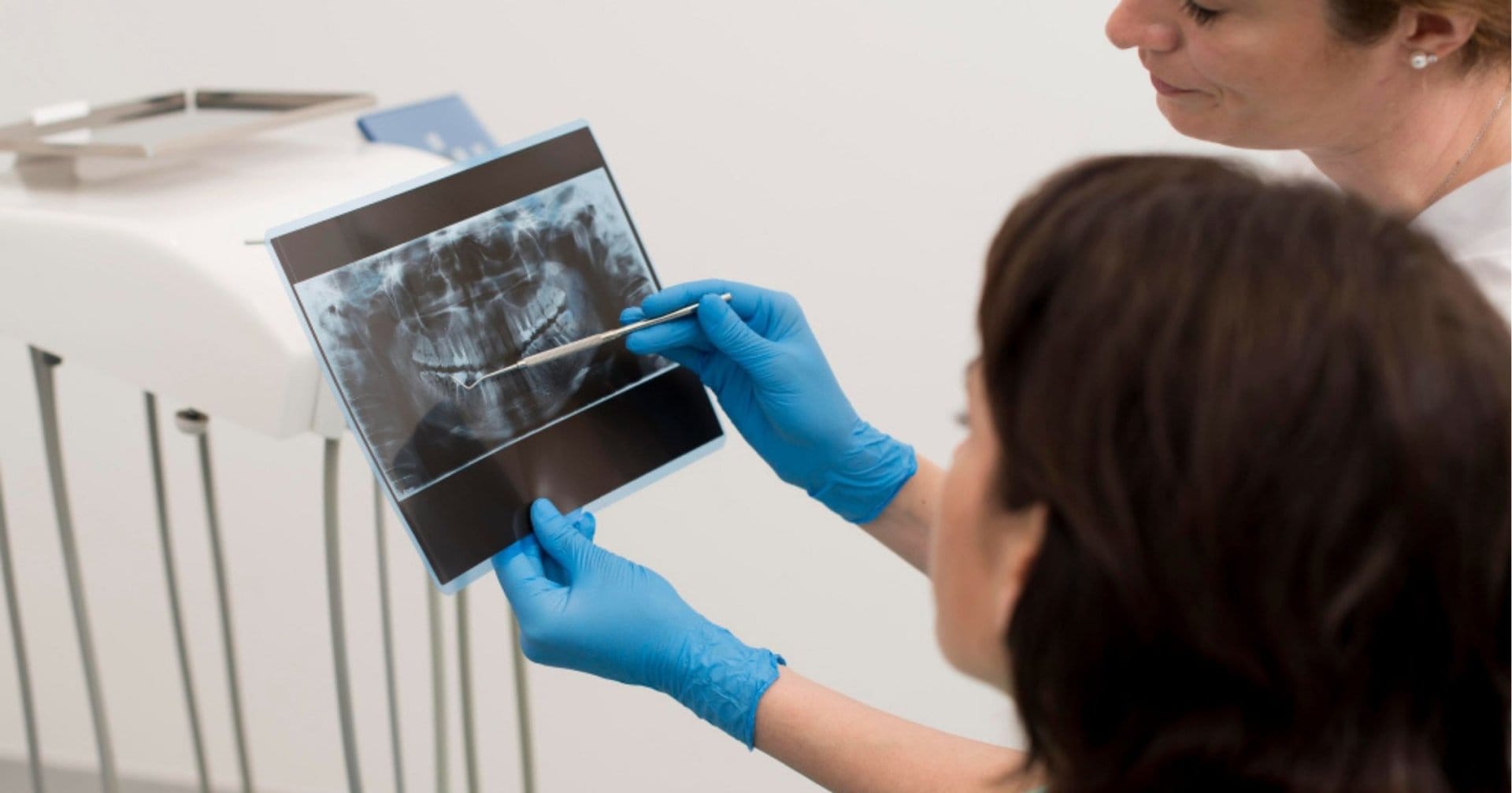
A toothache assessment usually starts with questions about when the pain started, what triggers it, and how it’s changed, followed by a visual exam and often an X-ray to see below the surface of the tooth and the bone around it. Depending on what’s found, treatment might involve a filling, root canal treatment, or in some cases extraction if the tooth can’t reasonably be restored.
Root canal treatment removes the inflamed or infected pulp tissue, cleans the inside of the tooth, and seals it, and it’s the treatment most associated with resolving throbbing, nerve-related pain. It carries the same general considerations as any dental procedure, including that the tooth may need a crown afterwards to protect it long-term, and that results vary between patients depending on the extent of infection before treatment.
Local anaesthetic is used to manage discomfort during procedures like this; individual experiences of comfort during and after treatment vary.
Extraction is sometimes recommended when a tooth is too damaged or infected to restore. As with any surgical or invasive procedure, this carries risks, and replacement options such as an implant, bridge, or denture are worth discussing if a tooth needs to come out.
Toothache Relief While You Wait for an Appointment
These steps won’t resolve the underlying cause, but they can make the wait more manageable:
- Rinse gently with warm salt water, which can help with mild gum irritation.
- Avoid very hot, cold, or hard foods on the affected side.
- Over-the-counter pain relief, taken according to the packaging instructions, can help in the short term.
- A cold compress against the cheek, not directly on the tooth or gum, may ease swelling-related discomfort.
- Avoid lying flat for long periods if the pain is worse at night, and try using an additional pillow to keep your head slightly elevated while resting.
None of this replaces an assessment, and if pain is severe, worsening, or accompanied by swelling or fever, these measures are a stopgap while you arrange to be seen, not an alternative to it.
FAQ
Why is my toothache worse at night?
Lying down may make tooth discomfort feel more noticeable, possibly due to changes in blood flow and pressure around an already inflamed tooth, though this isn’t the same for everyone.
Is throbbing toothache always a sign of infection?
Throbbing pain usually points to inflammation of the pulp tissue, which may or may not have progressed to infection. An exam and, if needed, an X-ray are the only reliable way to tell the difference.
Can a toothache go away on its own?
Pain can settle temporarily, particularly with mild sensitivity, but this doesn’t necessarily mean the underlying cause has resolved. If pain returns or the tooth was ever seriously painful, it’s worth having it checked rather than assuming it’s fixed itself.
What does it mean if my tooth hurts when I press on it?
Pain when a tooth is touched or tapped often suggests inflammation has spread to the ligament and bone around the root, which can indicate a more advanced problem than sensitivity alone.
Should I go to a dentist or an emergency department for a toothache?
For pain, swelling, or infection confined to the mouth, a dental emergency appointment is usually the right first step. If you have facial swelling affecting your eye or airway, difficulty breathing or swallowing, or a fever alongside dental pain, seek urgent medical attention.
Can sinus problems really cause tooth pain?
Yes. The roots of the upper back teeth sit close to the sinus cavities, so sinus pressure or infection can produce an ache that feels like it’s coming from the teeth. An exam can help distinguish this from a dental cause.
Book an Emergency Appointment in Gordon
If your pain matches any of the patterns above, especially throbbing, swelling, or pain when the tooth is touched, it’s worth getting it looked at rather than waiting to see if it settles.
At Northern Dental Gordon, we can assess your case and provide an itemised quote. We see patients from Gordon, Chatswood, Roseville, Lindfield, Killara, Pymble, St Ives, Turramurra, Wahroonga, and Berowra.
Call us on (02) 9498 8290 or book online. You’ll find us at Suite 3, 2 St Johns Ave, Gordon NSW 2072, directly opposite Gordon Railway Station.
Any surgical or invasive procedure carries risks. Before proceeding, consider seeking a second opinion from an appropriately qualified health practitioner.