
Tooth Abscess: What It Looks Like, Symptoms and Treatment
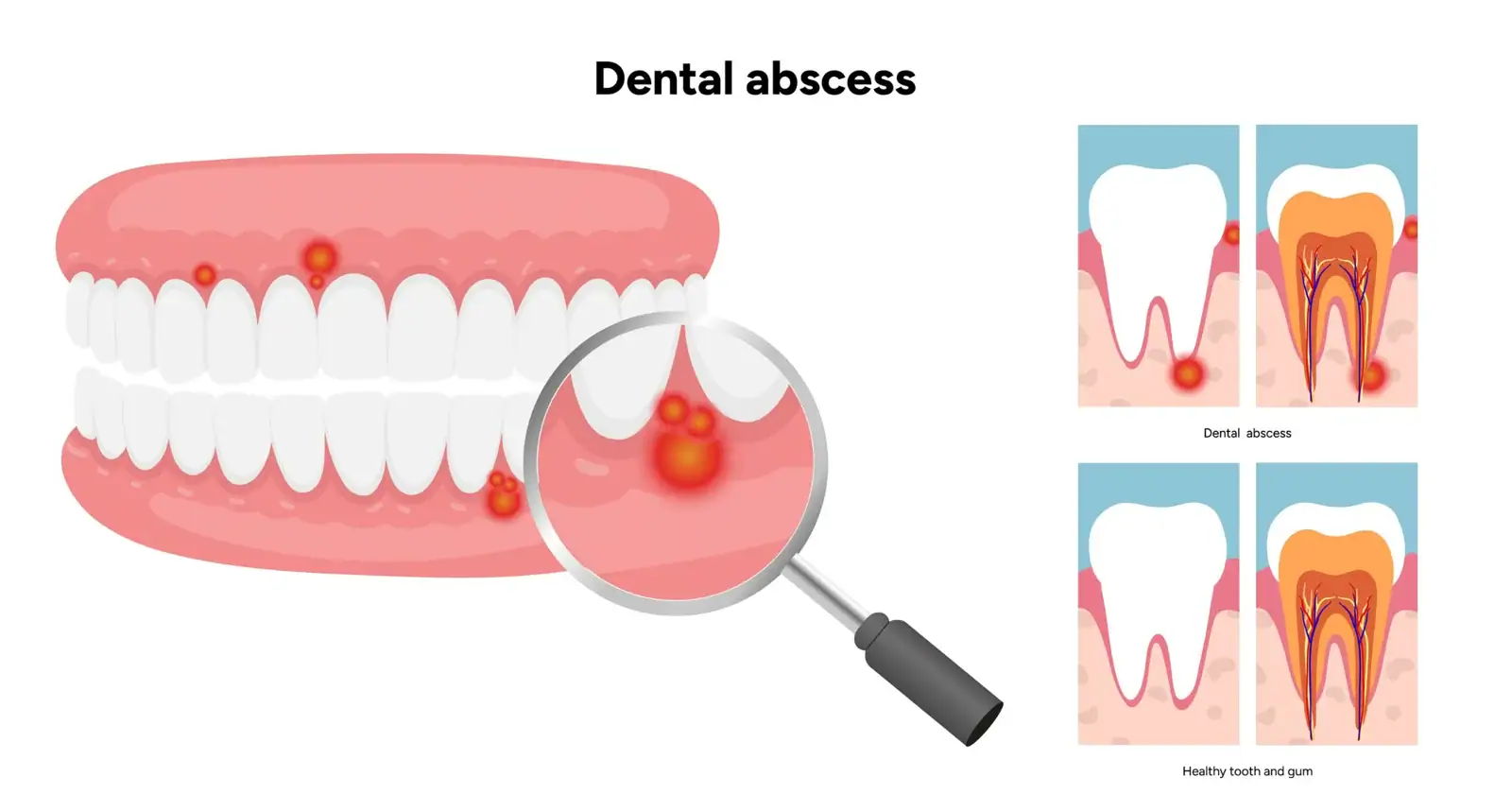
A tooth abscess is a bacterial infection that can spread if it isn't treated, which is why it needs professional care rather than being managed at home. This guide covers what a tooth abscess typically looks like, the symptoms to watch for, how it progresses, and when it becomes an emergency.
What Does a Tooth Abscess Look Like?
Also called an abscessed tooth, this usually shows up as a red, swollen lump on the gum, not unlike a small pimple in appearance. It may look shiny or feel tender to the touch, and sometimes a small amount of pus can be seen draining from it.
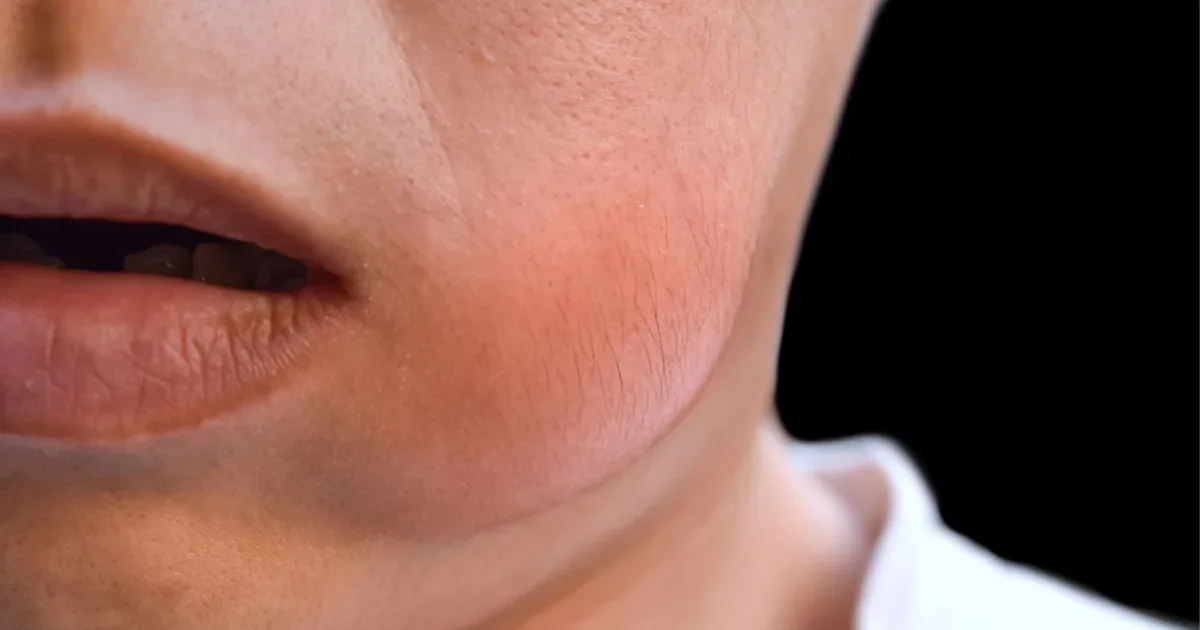
In other cases, the infection sits below the gumline and isn't visible at all, with swelling of the face or cheek being the more noticeable sign instead. Because appearance alone isn't always a reliable guide, an examination, often alongside an X-ray, is the only way to confirm what's going on.
Tooth Abscess Symptoms
Tooth abscess symptoms can range from mild to severe, and they don't all appear at once.
- A persistent, throbbing toothache that doesn't ease
- Sensitivity to hot or cold that lingers well after the food or drink is gone
- Pain when chewing or biting down
- Swelling in the face, cheek or jaw
- A bad taste in the mouth, sometimes from draining pus
- Swollen glands in the neck
- Fever or feeling generally unwell
- Difficulty fully opening the mouth, in more advanced cases
Not everyone experiences every symptom, and in some cases the pain can temporarily ease even while the infection is still active, which is part of why it's worth having it assessed even if things seem to be settling down.
Tooth Abscess Stages
A tooth abscess generally develops in stages, and understanding where it sits helps explain why prompt treatment matters.
Early infection
Bacteria reach the inner pulp of the tooth, usually through untreated decay, a crack, or previous dental work. At this stage, pain and sensitivity are often the first signs.
Localised abscess
Pus collects at the root tip or in a gum pocket, forming a contained pocket of infection. This is often when swelling or a visible bump first appears.
Spreading infection
If untreated, the infection can spread into the surrounding tissue, causing more noticeable swelling of the face, cheek or jaw, and more significant discomfort.
Advanced spread
In more serious cases, infection can spread further into the neck or floor of the mouth, which is a medical emergency requiring urgent hospital care rather than a routine dental appointment.
Tooth Abscess Swollen Cheek: When It's Urgent
A swollen cheek is one of the more recognisable signs that a tooth abscess has progressed beyond the tooth itself. On its own, facial swelling is a reason to seek prompt dental care. Certain combinations of symptoms, however, point to a more urgent, potentially hospital-level situation:
- Swelling that is spreading rapidly, particularly toward the eye or down into the neck
- Difficulty breathing or swallowing
- A high fever alongside facial swelling
- Feeling increasingly unwell rather than better over a short period
If you notice any of these, this isn't something to wait out or manage at home — seek emergency medical care, or call 000 if symptoms are severe or rapidly worsening.
What Causes a Tooth Abscess
A tooth abscess is typically the result of bacteria reaching the inside of the tooth or the surrounding gum tissue. Common causes include:
- Untreated tooth decay that has reached the inner pulp
- A cracked or fractured tooth that allows bacteria in
- Gum disease that has progressed to affect the tissue supporting the tooth
- A previous filling, crown or root canal that has failed or allowed bacteria back in
Tooth Abscess Treatment
A tooth abscess doesn't resolve on its own, and professional treatment is needed to clear the infection. Depending on the specific situation, this may involve:
Drainage
If there's a build-up of pus, your dentist may need to drain it to relieve pressure and help bring the infection under control.
Root canal treatment
Where the tooth can be saved, root canal treatment removes the infected tissue from inside the tooth, cleans the space, and seals it, aiming to preserve the natural tooth. As with any dental treatment, the outcome depends on the individual case, and saving the tooth isn't something that can be guaranteed in every situation.
Extraction
In cases where too much of the tooth's structure has been affected, extraction may be the only option left to remove the source of infection fully. This is assessed individually and discussed with you directly rather than assumed in advance.
Your dentist will explain the risks, limitations and recovery involved in whichever treatment applies to your situation.
What to Do While You Wait for Treatment
If you're waiting to be seen, a few comfort measures may help in the meantime — but it's important to understand these don't treat the infection itself, only the discomfort while you arrange care:
- Rinse gently with warm salt water
- Use a cold compress on the outside of the cheek if swelling is present
- Take over-the-counter pain relief as directed on the label, taking your own medical history into account
- Avoid chewing on the affected side
None of these replaces professional treatment, and the infection will remain active until it's properly addressed by a dentist.
If the area of concern is around a wisdom tooth specifically, rather than a tooth elsewhere in the mouth, it may be worth reading our guide to pericoronitis, a related infection around partially erupted wisdom teeth, which covers that specific situation in more detail.
Frequently Asked Questions
Can a tooth abscess go away on its own?
No. A tooth abscess is a bacterial infection that needs professional treatment. It can temporarily feel better even while still active, which can be misleading.
Can I treat a tooth abscess at home?
No. Comfort measures like a warm salt water rinse or cold compress may ease discomfort while you arrange an appointment, but they don't treat the underlying infection.
What happens if a tooth abscess is left untreated?
The infection can spread beyond the tooth into the surrounding tissue, jaw, or, in serious cases, further into the neck or floor of the mouth, which becomes a medical emergency.
Does a root canal always save the tooth?
Not always. Root canal treatment aims to save the tooth where possible, but the outcome depends on the individual case, and your dentist will talk you through what applies to your specific situation.
How urgent is a tooth abscess?
It should be assessed promptly rather than waited out. If you notice facial swelling spreading toward the eye or neck, difficulty breathing or swallowing, or a fever alongside swelling, this is an emergency — seek urgent medical care or call 000.
Can a tooth abscess cause swelling in my face?
Yes, facial or cheek swelling is a common sign that the infection has spread beyond the tooth itself, and it's a reason to seek prompt dental care.
Book an Emergency Appointment in Gordon
If you're experiencing symptoms of a tooth abscess, it's worth being seen promptly rather than waiting to see if it settles on its own.
At Northern Dental Gordon, we see patients from Gordon, Chatswood, Roseville, Lindfield, Killara, Pymble, St Ives, Turramurra, Wahroonga, and Berowra.
Call us on (02) 9498 8290 or book online. You'll find us at Suite 3, 2 St Johns Ave, Gordon NSW 2072, directly opposite Gordon Railway Station.
Any surgical or invasive procedure carries risks. Before proceeding, consider seeking a second opinion from an appropriately qualified health practitioner.