
Enamel Hypoplasia: Why Some Teeth Have Thin or Patchy Enamel
Some teeth come through looking different. They may have white, yellow or brown patches, small pits, or a rough surface. One possible reason is enamel hypoplasia, where the enamel didn’t form fully while the tooth was developing.
This guide explains what enamel hypoplasia is, what causes it, how it can affect baby teeth, and the treatment options. It’s general information, not a diagnosis. Only an examination can show what’s going on.
What Is Enamel Hypoplasia?
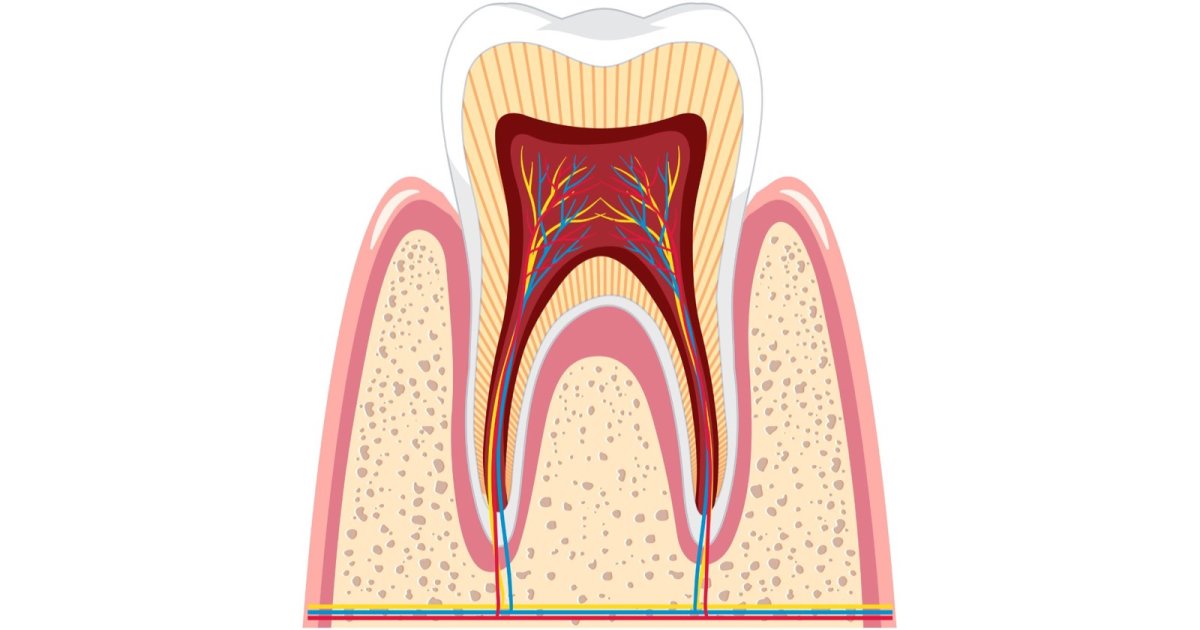
Enamel is the hard outer layer of a tooth, and it protects the sensitive parts inside. Enamel hypoplasia is when enamel doesn’t develop properly, leaving it too thin or missing in parts of the tooth.
The enamel forms before the tooth comes through the gum. That’s what separates it from erosion, where enamel wears away over time.
It can affect baby teeth, adult teeth or both, and one tooth or several. Enamel that hasn’t formed doesn’t grow back.
What Does Enamel Hypoplasia Look Like?
Common signs include:
- Pits, grooves or cracks in the teeth
- Teeth that are worn down or chipped
- Yellow or brown stains
- White spots
- Sensitivity to hot and cold food and drink
Several other conditions look similar, such as early decay and fluorosis, so appearance alone can’t confirm enamel hypoplasia. An examination is the only reliable way to tell.
Enamel Hypoplasia Causes
Enamel hypoplasia happens when a condition or event disrupts enamel development at a key moment. For baby teeth, enamel starts forming during fetal development and continues into infancy. For adult teeth, it starts in infancy and continues until around age 8. Teeth develop enamel at different times, so some may be affected while others are fine.
Causes include:
- Inherited conditions. Some rare genetic conditions, such as amelogenesis imperfecta, can cause enamel to be too thin or missing.
- Pregnancy-related factors. Certain health or nutrition issues during pregnancy can interfere with how baby teeth develop before birth.
- Not enough vitamins or calcium while the teeth are forming.
- Viral and bacterial infections.
- Injury to the teeth. A systematic review of studies found that injury to a baby tooth can lead to developmental defects in the adult tooth forming beneath it.
- Certain medical conditions.
Often the cause can’t be pinned down, and you can’t work it out from the teeth alone. Your dentist can talk through what might be relevant. It’s not something to blame yourself or your child for.
Enamel Hypoplasia in Baby Teeth
Baby-tooth enamel begins forming before birth, so enamel hypoplasia in baby teeth can show up as soon as the first teeth come through. Parents may notice patches, pits, or a tooth that chips, wears or decays quickly.
Because it happens before the teeth come through, it isn’t caused by how you clean your child’s teeth. A first dental visit is advised within six months of the first tooth coming in, or by the first birthday. At that visit, a dentist can check for problems related to tooth development, including enamel hypoplasia.
Early diagnosis allows steps to be taken to preserve the teeth before problems such as cavities or staining develop.
Whether adult teeth are affected depends on the cause and on when each tooth formed. A dentist can monitor this over time.

Why It Matters
Teeth with thin or missing enamel have less protection than teeth with a full layer. That can lead to wear, cavities, staining and sensitivity.
Not everyone with enamel hypoplasia has problems, and how much it affects a tooth varies between patients.
Enamel Hypoplasia Treatment
You can’t reverse enamel hypoplasia, and enamel can’t regenerate. Care focuses on protecting the enamel that’s there. Your dentist may monitor your teeth first and only recommend treatment if there’s damage or a risk of damage, or if you feel self-conscious about how the teeth look.
Options your dentist may discuss include:
- Monitoring and preventive care. Regular check-ups, fluoride and tailored home-care advice.
- Fissure seals. On back teeth with deep grooves, a thin coating may be considered. It only covers the chewing surface and can chip or wear. See our fillings and fissure seals page.
- Tooth-coloured fillings. Fillings can repair areas that are worn, broken or decayed. They may need maintenance or replacing over time.
- Veneers or crowns. A veneer covers the front of a tooth to hide imperfections, and a crown covers and protects a weak or damaged tooth. Both usually involve removing some tooth structure, which can’t be undone.
- Whitening. Cleveland Clinic lists whitening as a way to lighten teeth so they sit closer in colour to white spots. It doesn’t repair enamel, and whether it suits you depends on the teeth involved, so it’s worth discussing first.
Results vary between patients, and no outcome can be guaranteed. Your dentist will explain the benefits, risks and limitations of each option before anything goes ahead.
Looking After Teeth With Enamel Hypoplasia
A few habits can help protect teeth with thin enamel:
- Regular dental cleanings, as often as your dentist recommends
- Brushing twice a day and cleaning between your teeth daily
- Getting treated for things that can wear teeth down, such as grinding
- Eating foods that supply the vitamins and calcium teeth need
- Cutting back on sugary and acidic food and drink
For young children, help with brushing and supervise it. Our guide on how fissure seals protect teeth explains more about one preventive option.
When to See a Dentist
It’s worth being seen if you or your child have:
- White, yellow or brown patches, or pits on the teeth
- Sensitivity that’s new or getting worse
- Teeth that chip, wear or stain easily
- New teeth that look different from the others
If a tooth is sore and you have swelling in your face or jaw, or a fever, seek urgent care.
Frequently Asked Questions
Is enamel hypoplasia the same as enamel erosion?
No. Hypoplasia means the enamel didn’t form fully during development. Erosion is enamel wearing away later, often from acid.
Can enamel hypoplasia be reversed?
No. Enamel doesn’t regenerate. Care aims to protect the teeth and manage any problems, and what suits you depends on the severity.
Is enamel hypoplasia caused by poor brushing?
No. It happens during tooth development, before the teeth come through. Good cleaning is still important, because thinner enamel can be more vulnerable.
Will my child’s adult teeth have it too?
Not necessarily. It depends on the cause and on when each tooth formed. A dentist can monitor this over time.
Does enamel hypoplasia always need treatment?
No. Some patients only need monitoring and good home care. Your dentist will advise after an examination.
Can white patches on teeth be something else?
Yes. White patches can come from early decay, fluorosis or other causes. Only an examination can tell which it is.
Book a Check-up in Gordon
If you’ve noticed patches, pits or sensitivity, or your child’s teeth look different as they come through, a check-up is the next step. Your dentist can examine the teeth, explain what they find and talk through your options before you decide anything.
At Northern Dental Gordon, we see patients from Gordon, Chatswood, Roseville, Lindfield, Killara, Pymble, St Ives, Turramurra, Wahroonga and Berowra.
Call us on (02) 9498 8290 or book online. We are at Suite 3/2 St Johns Ave, Gordon NSW 2072.
Sources: Cleveland Clinic. “Enamel Hypoplasia.” my.clevelandclinic.org (medically reviewed, last updated 21 February 2024). Caeiro-Villasenín L, et al. “Developmental Dental Defects in Permanent Teeth Resulting from Trauma in Primary Dentition: A Systematic Review.” International Journal of Environmental Research and Public Health, 2022.
Any surgical or invasive procedure carries risks. Before proceeding, consider seeking a second opinion from an appropriately qualified health practitioner.